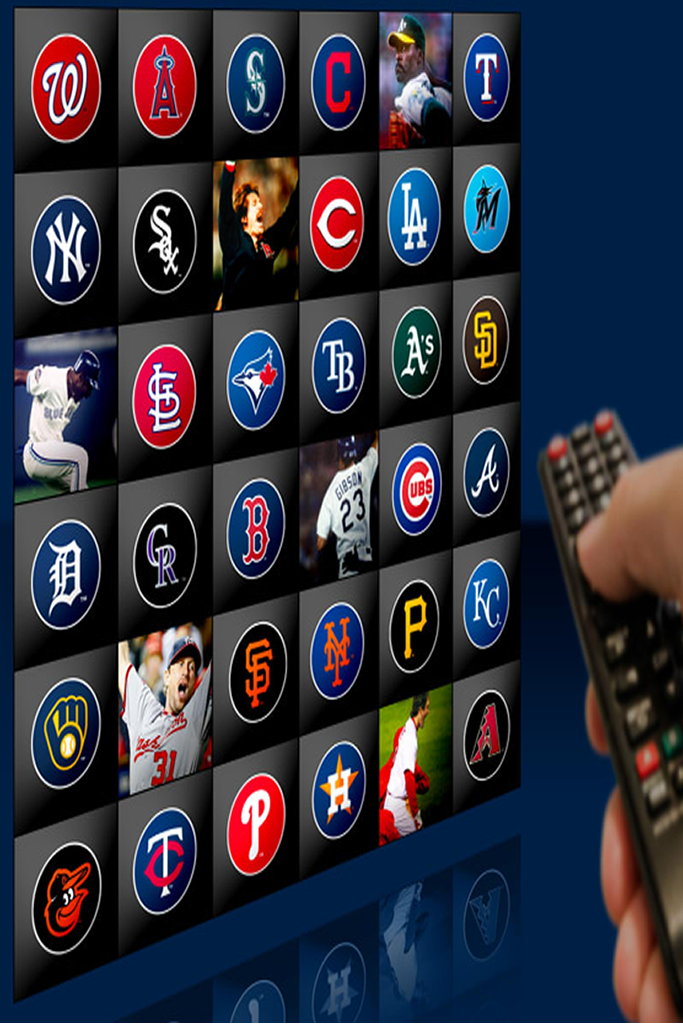
MLB Streaming Enters Its Most Disruptive Era Yet as ESPN Takes Center Stage and New Giants Reshape the Game
Major League Baseball is no longer just competing on the field—it’s redefining how the game is delivered, consumed, and monetized in real time. The 2026 season marks a structural pivot that signals the most aggressive evolution in MLB media distribution in decades. With ESPN emerging as the central access point for MLB.TV, the continued fragmentation of regional sports networks, and the arrival of streaming powerhouses like Netflix and NBC/Peacock into live baseball, the sport is undergoing a full-scale transformation that will permanently alter the fan experience.
This is not a minor adjustment. It is a complete re-architecture of baseball’s media ecosystem—one that blends direct-to-consumer access, premium subscription layering, and high-value national exclusives into a unified but complex streaming reality.
ESPN Becomes the New Gateway to MLB.TV
The most immediate and consequential change is the integration of MLB.TV into the ESPN App. For years, MLB.TV has been the gold standard for out-of-market baseball access. Now, that product is being repositioned inside one of the most widely adopted sports platforms in the world.
This shift effectively turns ESPN into the primary digital hub for baseball fans. While MLB.TV remains accessible through the traditional MLB App for legacy users, the ESPN integration introduces a new level of discoverability, bundling potential, and cross-platform engagement.
From a pricing standpoint, the service remains premium but competitive:
- Full season access is set at $149.99
- Monthly subscriptions are available at $29.99
- ESPN Unlimited subscribers receive a discounted seasonal rate of $134.99
What matters more than pricing, however, is positioning. By embedding MLB.TV within ESPN’s broader content ecosystem, the league is aligning itself with a platform that already commands daily engagement from millions of sports consumers. That means more visibility, stronger retention, and a higher likelihood of casual fans converting into consistent viewers.
The feature set remains robust and continues to justify its flagship status:
- Full access to all out-of-market games
- 24/7 streaming of MLB Network
- MLB Big Inning, offering live look-ins and whip-around coverage
This is no longer just a subscription—it’s a centralized baseball command center.
The Collapse of RSNs Accelerates Local Streaming Innovation
If the ESPN integration represents consolidation at the top, the local market tells a very different story—one defined by disruption and reinvention.
The collapse of multiple regional sports networks has forced MLB into a more direct role in producing and distributing local broadcasts. In 2026, the league is stepping in to handle local streaming rights for 15 teams, a dramatic increase from just three teams the previous year.
This shift is both reactive and strategic. As RSNs falter under the weight of cord-cutting and declining carriage fees, MLB is seizing control of its local product, effectively bypassing traditional intermediaries.
The result is the expansion of team-specific streaming platforms:
- Braves.TV
- Padres.TV
- Additional team-branded services across participating markets
These packages typically range between $100 and $120 per season and, critically, eliminate local blackout restrictions—one of the most persistent frustrations for fans in the previous era.
For the first time, in-market viewers can subscribe directly to their team and watch games without navigating cable bundles or geographic limitations. This is a foundational shift toward true direct-to-consumer distribution at the local level.
A New National Broadcast Rotation: Streaming Giants Enter the Field
While ESPN anchors the ecosystem, the national broadcast landscape has become more diversified—and more competitive—than ever before.
The 2026 season introduces a rotating cast of high-profile partners, each carving out exclusive windows that collectively redefine appointment viewing in baseball.
NBC/Peacock Expands Its Footprint
NBC, through Peacock, has secured a powerful slate of programming:
- Sunday Night Baseball (transitioning from ESPN)
- Sunday Leadoff games
- Exclusive rights to the entire Wild Card Round
At approximately $10.99 per month, Peacock positions itself as a must-have for postseason access and marquee weekend matchups.
Netflix Makes a Landmark Entry into Live Baseball
Perhaps the most headline-grabbing development is Netflix’s entry into MLB coverage. Known primarily for on-demand content, Netflix is now stepping into live sports with a curated package of high-impact events:
- Opening Night (March 25)
- The Home Run Derby
- The Field of Dreams game
At a starting price of $7.99 per month, Netflix is leveraging tentpole events to test and expand its live sports strategy—potentially signaling a much larger role in the future of baseball broadcasting.
Apple TV+ Continues Its Friday Night Strategy
Apple TV+ remains a consistent player with its Friday Night Baseball doubleheaders, offering weekly national exposure with a polished, tech-forward presentation style.
At $12.99 per month, Apple’s offering is less about volume and more about experience—targeting a younger, digitally native audience.
Traditional Powerhouses Still Hold Key Assets
Despite the influx of new players, legacy broadcasters maintain critical rights:
- ESPN / ABC deliver 30 exclusive games, including midweek matchups and marquee weekends
- Fox / FS1 retain the All-Star Game, World Series, and Saturday’s Baseball Night in America
- TBS continues with Tuesday night games and postseason coverage, including ALDS and ALCS
This hybrid model ensures that while streaming expands, traditional television remains deeply embedded in baseball’s biggest moments.
The Rise of Aggregated Streaming Bundles
For fans unwilling to juggle multiple subscriptions, live TV streaming services have become essential aggregation tools.
Platforms like Fubo, Hulu + Live TV, YouTube TV, and DirecTV Stream now function as modern cable replacements, bundling national networks with select regional sports channels and optional MLB.TV add-ons.
- Fubo offers extensive RSN coverage alongside Fox, FS1, and ESPN
- Hulu + Live TV integrates MLB Network, ESPN, FS1, and TBS, while also tying into ESPN’s broader content ecosystem
- YouTube TV and DirecTV Stream continue to provide flexible access to national broadcasts and limited RSN availability
These services are not just alternatives—they are becoming the connective tissue that holds the fragmented ecosystem together.
What This Means for Fans—and the Future of Baseball
The 2026 MLB streaming landscape is defined by one central truth: access is expanding, but simplicity is not guaranteed.
Fans now have more ways than ever to watch the game, but doing so requires navigating a layered ecosystem of subscriptions, exclusives, and platform-specific rights. The days of a single cable package delivering every game are effectively over.
Instead, baseball is embracing a modular future:
- A central hub (ESPN) for out-of-market access
- Direct-to-consumer local streaming for in-market games
- A rotating cast of national partners for premium events
- Aggregated bundles for those seeking consolidation
From a strategic standpoint, this model maximizes revenue, diversifies risk, and aligns MLB with the broader trajectory of digital media consumption.
From a fan perspective, it demands adaptation—but rewards it with unprecedented flexibility and control.
Streaming Is No Longer the Future—It’s the Battlefield
What’s unfolding across Major League Baseball is not just a shift in distribution—it’s a competitive redefinition of how live sports are valued in the streaming era.
Every platform involved—ESPN, Peacock, Netflix, Apple, Fox, TBS—is not just broadcasting games. They are competing for attention, subscription loyalty, and long-term dominance in a space where live sports remain one of the last anchors of real-time engagement.
For MLB, the strategy is clear: be everywhere, partner with everyone, and ensure that no matter how fans choose to watch, baseball is always within reach.
And for viewers, the message is just as direct: the game hasn’t changed—but the way you experience it has been completely rewritten.